


The safety posture of a company is a comprehensive overview of its preparedness to face a extensive range of evolving security threats. It primarily includes the understanding of organizations’ property, danger surface, employee and consumer awareness, the effectiveness of security controls, and lots of different elements described on this article. In cloud environments, the importance of Security Posture Evaluation turns into magnified because of the shared accountability mannequin. Organizations should guarantee their portion of safety controls—including knowledge safety, identity administration, and software security—meets required requirements. Poor security posture can result in information breaches, regulatory penalties, and important enterprise disruption.
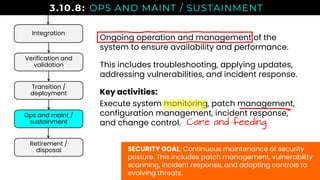
What Is Abac? Attribute Based Mostly Entry Controls, Explained
- List all of your hardware, software, peripherals, and other devices to have the ability to examine them for safety threats.
- A safety posture assessment is a complete evaluation that determines the effectiveness of your security measures, figuring out vulnerabilities and pinpointing areas for enchancment.
- In case of a cyber-attack or information breach, your incident response plan ought to be in a position to detect, analyze, get well from, and report its findings relating to the cyber incident.
- In the Sprinto platform, you can do this in the Risks dashboard the place you get an option to conduct periodic danger assessments.
- With Forescout’s progressive technologies and expertise, organizations are empowered to stay ahead of rising threats and defend their useful property.
A balanced method, steady visibility paired with structured assessments, ensures ongoing resilience. A security posture evaluation provides a holistic view of an organization’s readiness by analyzing policies, controls, vulnerabilities, and detection and response capabilities. An audit, then again, focuses totally on verifying compliance with an outlined standard such as ISO 27001, SOC 2, or HIPAA. While audits are essential for demonstrating regulatory alignment, they often miss gaps that don’t instantly fall under compliance. Your safety posture encompasses the complete scope of your cybersecurity program, together with insurance policies, technical controls, employee training, and the organization’s capacity to handle threat.
Why Is Preemptive Cyber Protection Important In 2026?
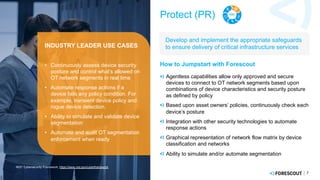
Determine your organization’s current security posture levels by checking vulnerabilities, weaknesses, and current safety measures. Conducting a thorough evaluation of your cybersecurity readiness will level out areas that want improvement and people performing properly. Here are some efficient steps for ascertaining your security posture, and from right here, you can take proactive steps towards defending digital assets. Protecting organizational assets, knowledge, and operations from changing cyber threats is the most primary necessity of sustaining a sturdy safety posture.
Although the primary evaluation https://lamborghiniclubla.com/how-to-make-your-online-business-more-secure/ will take a while, especially if carried out manually, in the long run, it will save you a lot of time and effort. But, simply conducting the evaluation is not sufficient, there are particular tasks that must be carried out to additional enhance your safety posture based mostly on the gaps. The security posture of a company outcomes from robust security finest practices throughout the group. Security posture management continues to evolve as organizations adapt to new threats and applied sciences.
Cloud Safety Posture
This part breaks down the core elements that determine the strengths and weaknesses of an organization’s defense posture. They present a repeatable, scalable way to consider multiple clients’ environments, demonstrate measurable improvement, and build belief by exhibiting tangible proof of strengthened cybersecurity readiness over time. A safety posture evaluation is a structured, organization-wide evaluation of cybersecurity readiness. It examines how effectively technical, procedural, and human controls protect towards threats and assist compliance with frameworks similar to NIST, ISO 27001, SOC 2, and HIPAA. Performing a periodic security posture assessment might help the group measure the current maturity of its cybersecurity program and establish potential gaps that it should tackle.

In the context of cloud security, Safety Posture Evaluation turns into notably important as organizations migrate workloads and knowledge to distributed, multi-cloud architectures where conventional perimeter-based safety models now not suffice. A robust safety posture demands the continuous tracking of an organization’s system, network, and purposes to detect anomalies in person behavior. Security data and event administration (SIEM) systems, intrusion detection systems (IDS), Intrusion Prevention Techniques (IPS), and log monitoring are all instruments organizations use to track user behavior and reply in real-time. Cybersecurity monitoring at present, especially of an organization’s network, endpoints, and cloud infrastructure, includes using AI, which can acquire and analyze giant amounts of knowledge in real-time to rapidly detect and even predict safety threats. Monitoring and logging are also important as they report particulars of person conduct that help the safety team understand the cause for an incident. Finally, detailed logging exercise additionally demonstrates accountability that can additionally be needed for compliance.
How much effort does the organization put into informing employees and users of safety finest practices? For occasion, some organizations embrace necessary coaching courses for employees to find out about security and privateness protocols. Some of these protocols include the significance of utilizing sturdy passwords, the place to store personal and confidential information, etc. With Orca, safety teams can constantly monitor posture, reduce tool fragmentation, and take swift action to improve overall cloud security hygiene. Misconfigured and undocumented cloud assets are a number one cause of security incidents, further highlighting the need for efficient posture evaluation. Understanding these challenges allows organizations to prioritize remediation efforts, allocate resources effectively, and strengthen both inner and third-party posture over time.


